Creative Scrapbook Layout Ideas to Showcase Your Travel Memories
Recent Trends in Travel Scrapbooking
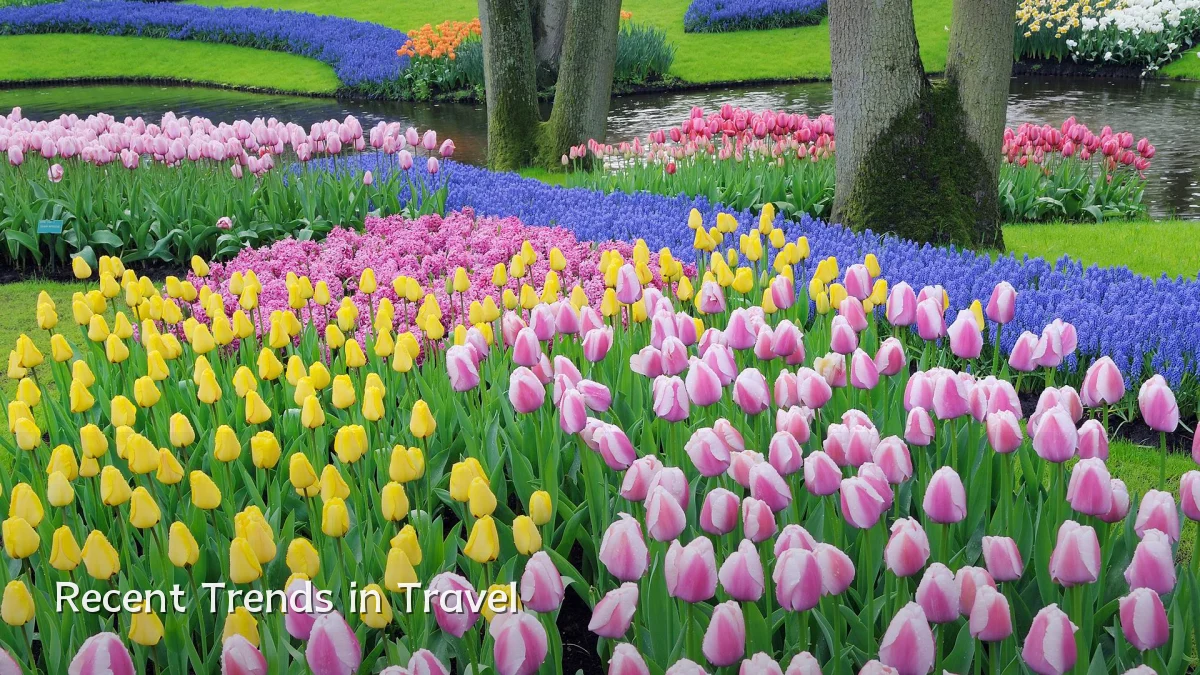
In recent years, the practice of documenting travel through scrapbooking has evolved from simple photo albums into layered, thematic storytelling. Popular trends include using mixed-media elements such as pressed flowers, vintage maps, and ephemera like ticket stubs. Many enthusiasts are turning to pocket-page systems that combine photos with journaling cards for a clean, modular layout. Digital templates designed for at-home printing have also gained traction, allowing travelers to create cohesive spreads without bulky supplies.
- Integration of watercolor washes and hand-lettered titles for personal flair.
- Use of interactive elements like mini envelopes, pull-out tags, and fold-out maps.
- Emphasis on color palettes drawn from destination landmarks or landscapes.
Background
Scrapbooking as a memory-keeping method dates back to the 19th century, but the travel-specific niche expanded notably with the rise of affordable photography and souvenir collecting. Traditional scrapbooks often centered on chronological trip logs, while modern approaches focus on thematic or emotional highlights. This shift reflects broader cultural changes toward intentional memory curation, especially as digital archives become more transient.
Key background considerations:
- Physical scrapbooks offer a tactile counterpoint to cloud-based photo storage.
- Many scrapbookers now source materials locally, such as brochures or fabric swatches, to add authenticity.
- Community-driven challenges (e.g., “one-page-per-destination” themes) have become a steady source of inspiration.
User Concerns
Travelers who start scrapbooking frequently encounter practical hurdles. Common concerns include balancing creative freedom with time constraints, finding storage for bulky projects, and preserving items that may fade or deteriorate over time (e.g., thermal receipts or newspaper clippings). Beginners also worry about layout design—whether to favor symmetry or asymmetry, and how to arrange text and images without overcrowding.
- Material stability: Acid-free adhesives and archival-quality paper are recommended to prevent yellowing.
- Scale vs. portability: Large albums may be impressive but difficult to store; mini albums or traveler’s notebooks offer flexibility.
- Decision fatigue: Too many choices in embellishments can stall progress; many users prefer limited palettes or pre-designed kits.
Likely Impact
The continued interest in creative travel scrapbooking is expected to influence both hobbyist communities and small craft brands. As more people seek analog outlets in a screen-saturated world, the demand for durable, eco-friendly supplies will likely rise. This trend may also encourage more mindful travel habits, as collecting memorabilia becomes an integral part of the trip experience itself. For the broader memory-keeping ecosystem, scrapbook layouts offer a replicable format that can be adapted for other life events, extending their utility beyond travel alone.
- Growth in niche online marketplaces for vintage travel stickers, paper ephemera, and themed washi tape.
- Potential for hybrid workflows: scanning physical layouts to share digitally while retaining a tangible original.
- Increased collaboration between travel bloggers and scrapbooking influencers, generating layout tutorials and destination-specific prompts.
What to Watch Next
Observers should monitor the evolution of sustainability in scrapbooking—specifically, the shift toward reusable templates and digital-first layouts that can be printed on demand. Another area to watch is the integration of augmented reality (AR) features: a handful of crafters have begun embedding QR codes or invisible ink markers that link to audio clips or video segments from a journey. Meanwhile, the rise of subscription-based craft kits for travel memory keeping could make the hobby more accessible to time-strapped tourists. These developments suggest that the scrapbook layout, far from becoming outdated, is adapting to blend the physical and digital in increasingly imaginative ways.